Mantra guide
Understanding Durga Mantra
About this mantra
What the mantra contains
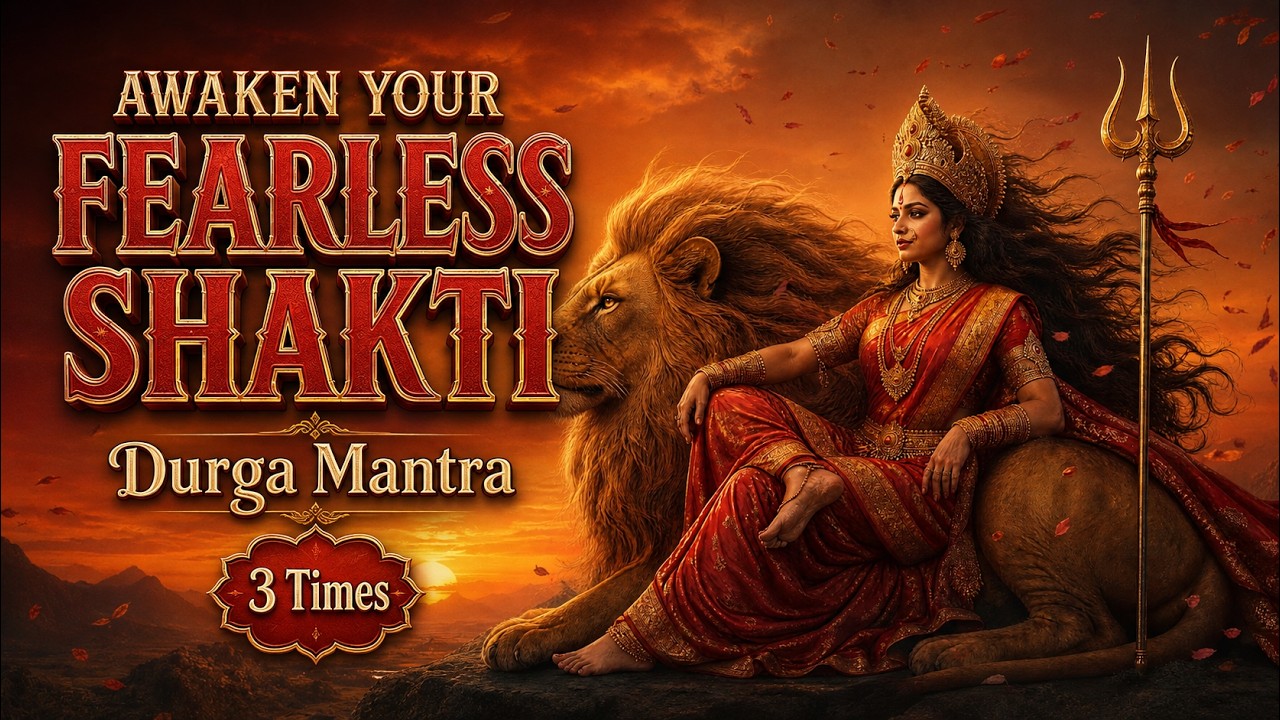
This is a short nāma-mantra structure rather than a verse: an opening oṃ, the seed syllable duṃ, the name Durga in an “unto Durga” form, and namaḥ. Each sound has a clear place, so the text does not need added promises or explanations to feel complete.
The role of the seed syllable
A bīja is preserved as a sacred sound rather than translated like an ordinary noun. The page should therefore explain duṃ modestly and avoid assigning a single English definition to it.
A salutation, not a guarantee
The wording is an act of reverence. Traditions may associate Durga practice with courage and protection, but the text itself does not promise a specific result.
Devotional context
The notes below describe how this text is traditionally understood and used. They are not promises of any outcome.
A compact bīja-and-name formula
The mantra combines oṃ, the seed syllable duṃ, Durga in the dative case, and namaḥ. Its grammar is a direct salutation rather than a narrative verse.
The divine name is the addressee
The ending -yai in durgāyai marks Durga as the one to whom the salutation is offered.
A traditional combined form
The source ledger supports the Durga name and duṃ context, while also recording that primary attestation for this exact combined formula was not established. That boundary should remain visible.
How to listen or chant
- 1.
Read the canonical text first
Read Durga Mantra once in Devanagari and once in transliteration. Use the word-by-word panel to see where the names and grammatical endings fall before repeating the audio.
- 2.
Set a pace that keeps the words clear
Keep duṃ distinct from the following durgāyai, then let the final namaḥ close the phrase.
- 3.
Use one recording family at a time
Choose the voice and duration you intend to follow. Changing duration within that family does not change the canonical text; changing to another family may change voice, melody, or a documented sung variant.
- 4.
Keep the intention grounded
Use the recitation as a devotional salutation to Durga, without treating it as a guarantee of protection or a substitute for practical help.
- 5.
Close without rushing
After the final repetition, allow a short quiet pause. If attention wandered, return to the text gently rather than treating the count as a test or a promise of results.
Sources and editorial note
- Durga Sahasranamavali — Sanskrit Documents
Traditional litany
Dum bija and Durga name context
- Durga Puja paddhati — Sanskrit Documents
Traditional ritual text
Durgayai namah wording — confidence: medium-high
- Monier-Williams Sanskrit-English Dictionary
Cologne Digital Sanskrit Dictionaries
Lexical and grammatical checking for Sanskrit terms; use alongside mantra-specific textual sources.
The Sanskrit text, transliteration and meaning on this page are published for devotional and educational use, and are reviewed before a page goes live. Traditions differ; where your family or temple reads a line differently, theirs is the one to follow. Read how this material is checked on the Editorial & Sources page, or tell us about a correction.