Mantra guide
Understanding Durga Gayatri Mantra
About this mantra
What the mantra says
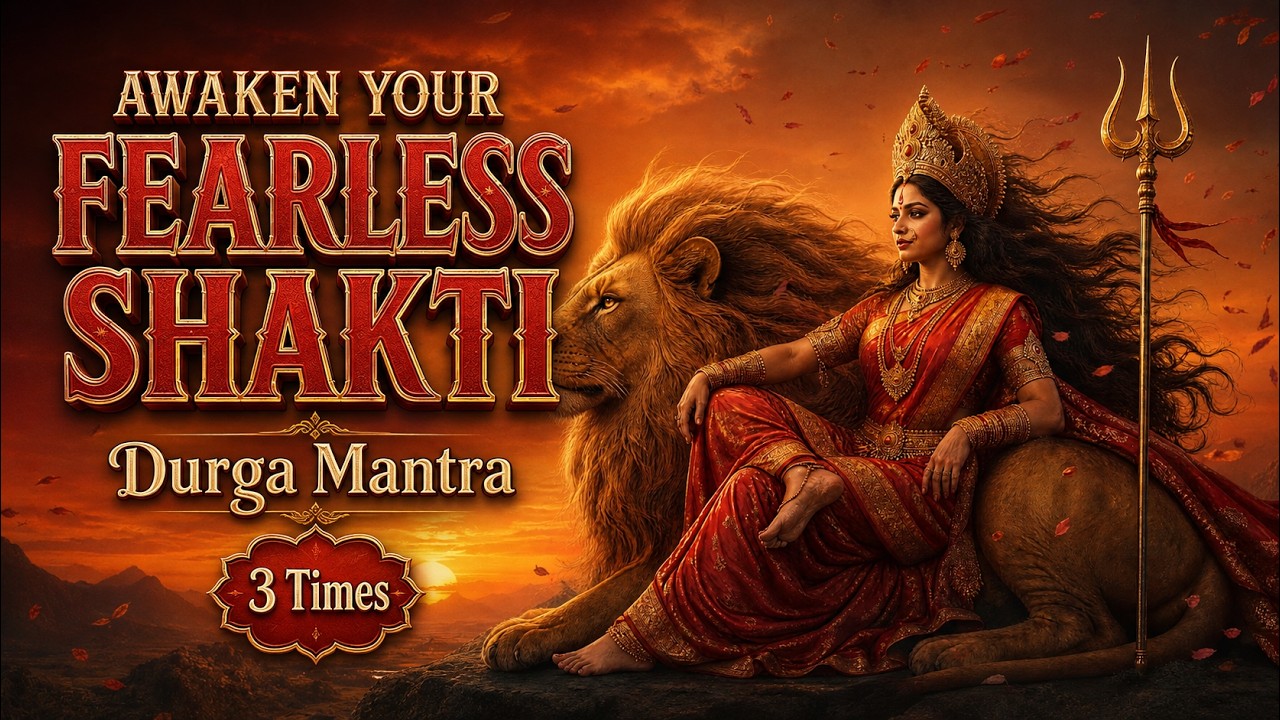
Durga Gayatri Mantra is presented first as sacred text, not as a slogan. The canonical reading is “Om Katyayanaya vidmahe Kanyakumari dhimahi tanno Durgih prachodayat.” and the conservative meaning is: We seek to know Katyayani and meditate on the maiden goddess. May Durga inspire our understanding.
How the form is used
The wording addresses Durga / Katyayani through the gayatri-form mantra form recorded in the source ledger. Different musical arrangements may exist, while this page keeps one stable textual identity.
Tradition with clear boundaries
The wording is a traditional Durga Gayatri form; preserve the submitted continuous line in the submitted field. Contemplative meaning only; no promised outcome.
Devotional context
The notes below describe how this text is traditionally understood and used. They are not promises of any outcome.
Textual form
Durga Gayatri Mantra is catalogued here as a Gayatri-form mantra. Its public explanation follows the exact submitted wording and the source ledger rather than adding claims.
Devotional address
We seek to know Katyayani and meditate on the maiden goddess. May Durga inspire our understanding.
Research boundary
The wording is a traditional Durga Gayatri form; preserve the submitted continuous line in the submitted field.
How to listen or chant
- 1.
Read the authored text first
Read Durga Gayatri Mantra once in its authored Devanagari line structure, then use the Reading Guide without changing the Sanskrit.
- 2.
Keep words and pauses clear
Follow the displayed word boundaries and punctuation. Use Om Katyayanaya vidmahe Kanyakumari dhimahi tanno Durgih prachodayat. as the approved Roman guide rather than improvising a new spelling.
- 3.
Choose a steady repetition
Select one available recording length and maintain an unforced pace. Duration changes do not change the canonical mantra text.
- 4.
Keep the intention grounded
Approach the practice as devotion and attentive remembrance of Durga / Katyayani. Contemplative meaning only; no promised outcome.
- 5.
Close with a quiet pause
After the final repetition, pause briefly. Treat counts and durations as listening formats, not as guarantees of a particular outcome.
Sources and editorial note
- Durga Gayatri Mantra
Exact wording and literal structure
- Katyayani textual context — Sanskrit Documents
Katyayani identity and orthography
The Sanskrit text, transliteration and meaning on this page are published for devotional and educational use, and are reviewed before a page goes live. Traditions differ; where your family or temple reads a line differently, theirs is the one to follow. Read how this material is checked on the Editorial & Sources page, or tell us about a correction.